Day 3422 (Thursday) 22nd October 2026.
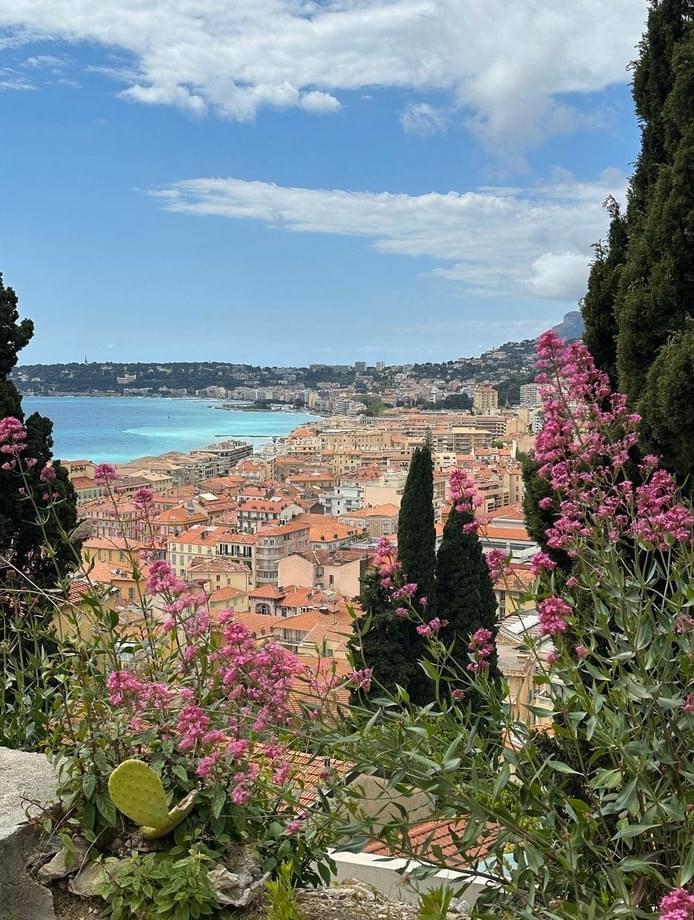
This is Fort Alban between Villefranche and Nice

and this is Roquebrune Cap Martin.

It was lovely and sunny again this morning and I sunbathed for a while, our thermometer said it was 29 degrees. It didn’t last too long but it was lovely while it lasted. It cools down significantly in the evenings.

I found this article today and French traditions, it’s quiet long so I’ll post it over two days…
French Traditions and Holidays Every New Expat Should Know.
French traditions shape daily life throughout the year, from public holidays and seasonal celebrations to everyday social customs. For expats, understanding these traditions in France can make it easier to plan ahead, join conversations and feel more at home.
This guide explains the celebrations you are most likely to encounter, from faire le pont and the galette des Rois to the 14th of July and la rentrée.

Expats enjoying life in France, experiencing French culture, food, and local traditions
1. Public Holidays in France: What Expats Need to Know.
France has 11 national public holidays, known as les jours fériés. Some have a fixed date, while Easter MondayAscension Day and Whit Monday move each year.
New Year’s Day Jour de l’An January 1st
Easter Monday Lundi de Pâques Date varies
Labour Day Fête du Travail May 1st
Victory in Europe Day Fête de la Victoire 1945 May 8th
Ascension Day Jour de l’Ascension Date varies
Whit Monday Lundi de Pentecôte Date varies
Bastille Day Fête Nationale July 14th
Assumption of Mary Assomption August 15th
All Saints’ Day La Toussaint November 1st
Armistice Day Jour d’Armistice November 11th
Christmas Day Noël December 25th
Public transport often follows a reduced timetable on these dates. Banks, schools, public services and many businesses may close, although restaurants, tourist attractions and food shops can remain open depending on the place and the holiday. Always check opening hours before travelling or making an appointment
Understanding faire le pont
When a public holiday falls on a Tuesday or Thursday, people may take Monday or Friday off to create a long weekend. This is called faire le pont, literally “to make the bridge.”
For example, if Ascension Day falls on a Thursday, a colleague may say:
Je fais le pont vendredi. (I am taking Friday off to make a long weekend.)
Vous faites le pont ? (Are you taking the bridge day off?)
Do not assume that every company, school or shop will close. A bridge day may be decided by an employer or organised differently from one workplace to another.
Do employees always have the day off?
Not necessarily. In the private sector, May 1 is generally the only public holiday that must be a non-working day for employees, apart from services that cannot stop, such as hospitals or public transport. Whether the other public holidays are worked depends on collective agreements, company arrangements or the employer. Employees who work on May 1 are entitled to double pay.
Alsace-Moselle also has additional public holidays: December 26 and, in certain municipalities, Good Friday. Some overseas territories observe an additional holiday commemorating the abolition of slavery.
2. Winter Traditions in France
New Year's Eve and New Year Wishes
In France, La Saint-Sylvestre is celebrated with festive dinners, champagne, and gatherings of friends and family that often last past midnight.

Many people enjoy a special meal called le réveillon, featuring oysters, foie gras, and desserts, before toasting the New Year together. At midnight, it’s tradition to exchange kisses on the cheek and say “Bonne année !”

While big cities sometimes host fireworks, the celebration is usually more about sharing food, conversation, and joy as the New Year begins.
Fun twist: the French often send New Year wishes throughout January, not just on the 1st.
Useful phrases include:
Bonne année ! (Happy New Year!)
Meilleurs vœux ! (Best wishes!)
On trinque à la nouvelle année ? (Shall we toast the New Year?)
The Galette des Rois
Around Epiphany on January 6, and often throughout January, families, friends and colleagues share a galette des Rois. In much of France, this is a puff-pastry cake filled with almond cream. In parts of southern France, a ring-shaped brioche decorated with candied fruit is also traditional.
A small charm called la fève is hidden inside. The person who finds it becomes the king or queen and wears a paper crown. In many families, the youngest child goes under the table and decides who receives each slice so that the distribution remains fair.
If someone offers you a slice, you may hear:
Attention à la fève ! (Watch out for the charm!)
Qui a eu la fève ? (Who found the charm?)
Discover more vocabulary and regional variations in Galette des Rois: The Beloved French King Cake Tradition.

La Chandeleur : Crêpes Everywhere
La Chandeleur in France with golden crêpes, flipping crêpes for good luck, and festive French traditions

February 2 is La Chandeleur — basically a national crêpe festival. If you’re curious about the traditions and fun superstitions behind it, Enjoy La Chandeleur, the Delicious Crêpe Day.
Tradition says flipping your crêpe while holding a coin brings good luck. Whether or not it works… you still get crêpes. So everyone wins!
3. Spring Traditions and Holidays

Easter in France (Pâques) is a blend of faith, family, and tradition.
Easter in France with chocolate eggs, garden egg hunts, and family celebrations.
photo easter
Children search for chocolate delights in gardens, leading to joyful egg hunts. Families usually celebrate with a long Sunday lunch — often featuring roast lamb, seasonal vegetables, cheese, and (of course) plenty of chocolate. Because Easter Monday is a public holiday, many people also enjoy a relaxing long weekend.
I'll post the rest tomorrow.



Comments
Post a Comment