Day 3414 (Wednesday) 14th October 2026.
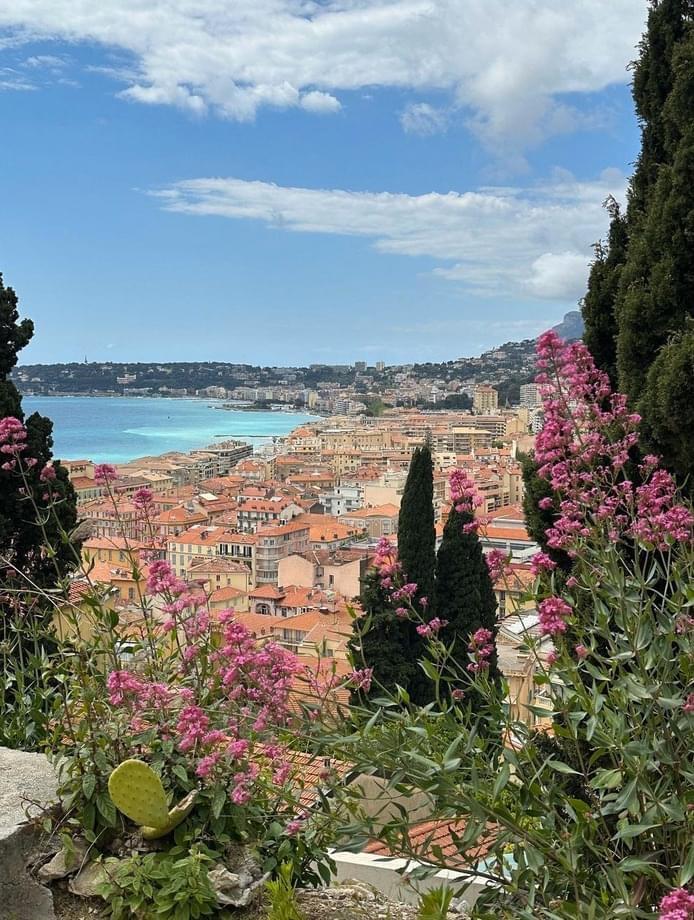
This is Saint Tropez

and this is Cannes.

Eating locally and with the seasons: the French way

Eating in tune with the seasons is part of the lifestyle here in France, and so we thought we'd jot down our notes on what to expect when you go around the country, stopping off at the markets (marchés) and when choosing the "plat du jour" on a French restaurant menu, or tucking into our picnics...
Eating locally and seasonally in France
Meandering through a French marché is, for most tourists, an integral part of winding down and embracing the French way of life.
But it is not just overseas visitors who enjoy the experience of browsing amongst the market stalls... French people (chefs included) prefer to shop in their nearest market to get the best quality, most seasonal, and best value ingredients available.

Market shopping also represents an opportunity to bump into friends and acquaintances, perhaps sip a coffee in the sunshine or pop into nearby boutiques for a gift, fresh bread, some stamps or a bunch of flowers. The "use it or lose it" attitude to supporting local businesses runs deep through this nation whose motto emphasises fraternity.
Whilst you will find that you can buy mangoes and bananas at the market as they have become a staple here too, you may also spot that the stalls with the longest queues are those with just a small selection of the fruits and veggies currently in season. Exotic fruits may have their place in French fruit bowls, but rarely will you find a French fridge containing cherries in November, or clementines in August. In fact, French people will often tut loudly that they have already seen strawberries in the supermarket in February, in a "What is the world coming to?" kind of way, because of course, these strawberries simply will not taste as good as those arriving on the shelves in June.
As the French climate produces such exceptional produce, eating locally and in line with the seasons is easy, and therefore, the norm
What's in season in spring?
Look out for:
Asparagus = l'asperge
Peas = les petit pois
Artichoke = l'artichaud
Spinach and chard = les épinards and de la blette
Radishes = les radis
Fennel = le fenouil
Rhubarb = le rhubarbe
New potatoes = les pommes de terre primeur
Morel mushrooms = les morilles
Strawberries = les fraises
Cherries = les cérises
Redcurrants and blackcurrants = les groseilles et le cassis
Melon = le melon
Tomatoes = les tomates
Peaches and nectarines = les pêches and les nectarines
Apricots = les abricots
Look out for white cherries, and also for white peaches which may not be found in your local supermarket. Interestingly, whilst in anglophone countries, we eat our asparagus green, in France white asparagus (grown in the dark) is commonly seen in the markets and on restaurant menus.

What's in season in summer - July and August?
During the long school holidays (eight weeks!), the late spring, stone fruits like peaches and apricots are at their best and will be seen in the markets until around mid July. Melons and watermelon are also deliciously refreshing on a hot day. Also look out for the different types of plum: try the greengage "reine claude" or the teeny yellow "mirabelle".
Courgette/zucchini = la courgette
Pepper/bell pepper = le poivron
Cucumber = le concombre
Cabbage = le chou
Beetroot = le betterave
Carrot = la carotte
Green beans/French beans = les haricots verts
Aubergine/eggplant = l'aubergine
Watermelon = le pastèque
Raspberries = les framboises
Plums = les prunes
Blueberries = les myrtilles
French markets are a great place to find seasonal, local and good value produce

Foods in season in autumn in France
September is traditionally harvest season, with the farmers hard at work gathering their crops. Autumn highlights include nuts, mushrooms, apples and pears, which will overlap the late summer produce and mean that market stalls will be groaning with the abundance. The different regions will have an emphasis on different varieties. Look out for "potimarron" squashes and "muscat" grapes. It is also mushroom season.
Pumpkin = la courge
Butternut squash = le butternut
Mushroom = champignon
Penny bun/boletus mushroom = le cèpe
Girolle mushroom = le girolle
Chanterelle mushroom = la chanterelle
Figs = les figues
Walnuts = les noix
Hazelnuts = les noisettes
Apple = la pomme
Pear = le poire
Blackberries = les mûres
photo mushrooms
Chanterelle mushrooms are in season during the autumn in France (September and October)
Why eat locally and seasonally on your French holiday?
Embracing seasonal eating in France is not only good for your tastebuds, it is also good for the planet, with reduced food miles and less intensive agricultural practises.
Some local specialities to look out for on your tour:
The Southwest region is famed for its dried prunes (pruneaux d'Agen) and huge marmande tomatoes.
The Rhone-Alpes has great girolle mushrooms, walnuts from Grenoble, black olives from Nyons,
Provence has abundant olives, but also melons from Cavaillon, strawberries from Carpentras and green asparagus 'de Lauris' (and truffles.)
France's best carrots come from the Loire, and Anjou is famed for apples and pears.
Aisne in the north has wonderful artichokes.
If you want to taste France's best onions, they're from Roscoff.
Look out for clementines from Corsica.
Burgundy is known for its wine, but also blackcurrants.
The Ile de Ré on the Atlantic coast is known for its potatoes.
And Charentais melons taste best when eaten in the Charente.
Eating seasonally and locally in France is life-affirming and above all, very "French", so embrace the opportunity to do so during your holiday.




Comments
Post a Comment