Day 3411 (Sunday) 11th October 2026..
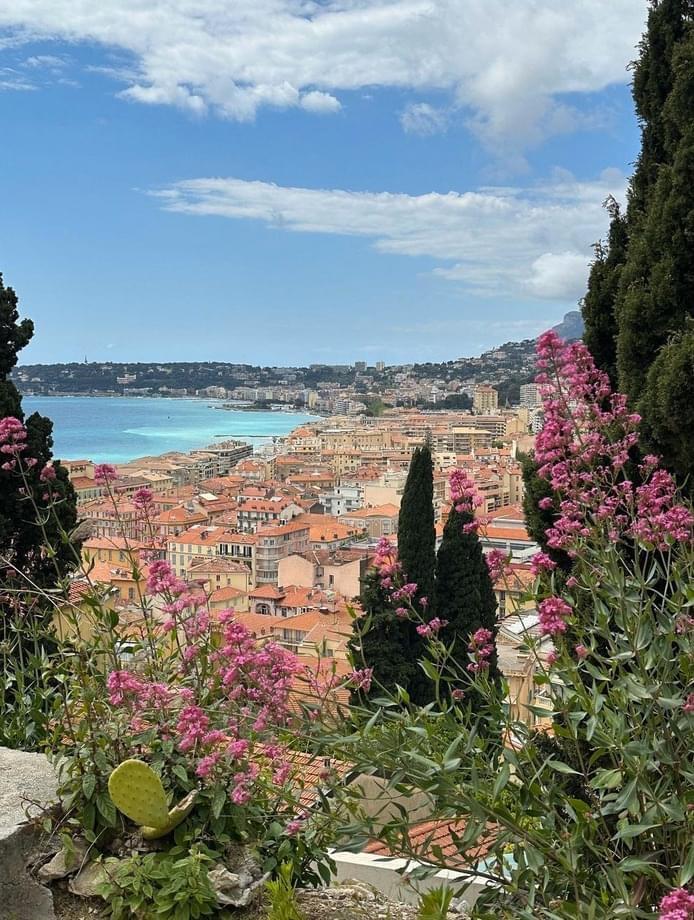
This is Haute de Cagnes

and this is Saint Tropez.

It was another lovely sunny day and I’m still wearing summer clothes, loving the sunshine. We went down to Le Phare to enjoy a beer with friends and then we were invited to Achill’s for lunch, which was very nice.

As well as being the hunting season it is also the season for looking for mushrooms…
Mushroom foraging in France.
Foraging is a deeply rooted autumnal passion in France, but safety and strict local regulations are vital to ensuring a great experience. France is home to roughly 3,000 mushroom varieties, meaning proper identification, legal awareness, and respectful gathering practices are essential.

1. Master the Golden Rules of Safety
• The Pharmacy Check: If you are unsure about any mushroom you have harvested, bring your basket to a local French pharmacy. French pharmacists receive specialised mycology training as part of their degree and provide free identification services to screen out toxic look-alikes.
• Ditch the Smartphone Apps: Do not rely on mobile apps or online forums to identify wild mushrooms. Experts like the Société Mycologique de France warn that algorithmic photo matching is highly unreliable and frequently leads to severe poisoning.
• Separate Suspicious Finds: Keep unfamiliar species in separate cloth bags or paper sacks. Never mix unknown mushrooms with confirmed edible ones in your main basket; if a lethal variety breaks apart and contaminates your harvest, the entire batch must be thrown away.
• Avoid Polluted Areas: Avoid harvesting near high-traffic roadsides, landfills, or industrial zones, as fungi easily absorb heavy metals and soil pollutants.
2. Follow Foraging Regulations & Etiquette
Mushroom picking is highly regulated in France to prevent over-harvesting and protect biodiversity.
Rule Category Regulations & Customary Etiquette
Legal Harvest Limits. In state-owned forests (forêt domaniale), harvesting is strictly limited to 5kg per person, per day. Exceeding this can result in heavy fines up to €45,000.
Land Permissions; You can harvest on public lands, but some communal forests restrict picking to local residents. Foraging in private forests requires explicit permission from the landowner. When in doubt, verify boundaries with the local … (town hall).
Time Restrictions. In many public forests, hunting is prohibited on certain days (often Tuesdays and Thursdays) to let nature rest.
The Unwritten Code Never ask a local for their exact foraging coordinates. "Good spots" are fiercely guarded secrets closely tied to professional income and family tradition.

3. Use the Right Gear and Techniques
• Wicker Over Plastic: Always use a wicker basket, crate, or mesh bag to collect your harvest. Plastic bags trap moisture, acceleration rotting, and prevent spores from falling back onto the forest floor to seed future growth.
• Harvest the Whole Mushroom: Twist and pull the entire mushroom out of the ground gently rather than cutting it at the base. Keeping the root base intact is crucial because the shape and colour of the stalk bottom are key identifiers for pharmacists.
• Clean on the Spot: Bring a specialised foraging knife, like an Opinel No.08 Champignon knife, to brush dirt, leaves, and pine needles off your mushrooms right in the woods. This keeps your basket clean and prevents debris from getting trapped in the gills.

Prime Foraging Spots and Target Species
If you are planning an excursion, the ideal time to go is in the autumn, specifically 24 to 48 hours after heavy rain followed by sunshine.
• Top Locations: Dense, historic woodlands are the most rewarding. Excellent locations include the Forest of Fontainebleau and Forest of Compiègne near Paris, the Montagne Noire in the south, and the sweeping state forests of the Vendée region.
What to look for: Keep an eye out for highly prized French culinary staples like Cèpes (porcini) under oaks and pines, bright yellow Girolles (chanterelles) near mossy water boundaries, and horn-shaped Trompettes de la mort (black trumpets) hiding under fallen autumn leaves
photo
If you are new to the hobby, consider looking up a regional mycology club. Joining a group walk is a great way to learn from local experts, navigate remote trails safely, and pick up the nuances of the regional terrain without getting lost.




Comments
Post a Comment