Day 3407 (Wednesday) 7th October 2026.
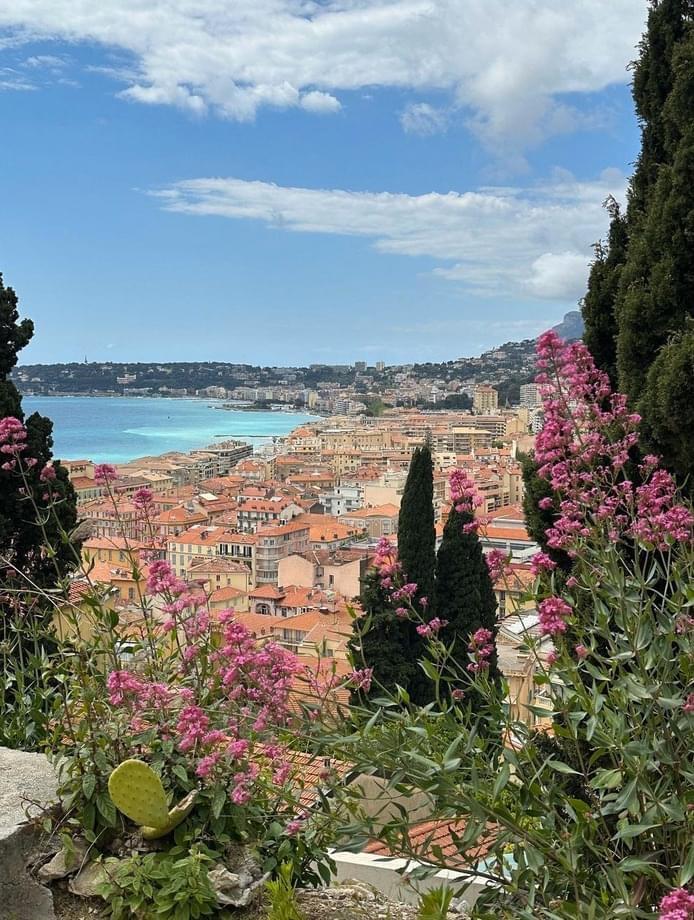
This is Saint Paul de Vence

and this is Beaulieu.

It was grey and wet this morning and it stayed that way all day and we stayed at home.

French Customs and Traditions: A Francophile’s Guide by Andi Fisher
French customs and traditions are the everyday rituals and unwritten rules that shape daily life in France, from greeting with la bise and gathering for l’apéro to the long, unhurried meal and the near-sacred August holiday. Some you will fall for instantly, and others will leave you politely baffled. Here is my personal collection, gathered over decades of loving France, marrying into it, and living there, along with the essentials you should know before you go.
Culture is a tricky thing. You may fall in love with some of the surface aspects at first, but the more you keep digging, the more you realise what a bottomless pit of wonderment it can be.
There are the obvious things, like food and holidays. And then, there are the things you keep discovering day after day, such as a sense of privacy, what to say in which circumstances, the family customs, etc. Some of it may make you fall in love with the culture all over again. Others still don't make complete sense to me, many years later. And then, there are the things I keep discovering despite my relative familiarity with the country and its people.
French Culture and Traditions
I was a Francophile long before I married a Frenchman (lucky me). By now, I have had decades behind me spent loving France and French things. I even lived in France, and I have French friends and friends who live in France. That’s plenty of opportunities to experience, observe, read about, admire, laugh, or lament about French culture.
This is a collection, somewhat of a mishmash of some of the things that stand out to me. Some of them will help you understand French culture; some of them will have you scratching your head.
Always Say Bonjour
In France, bonjour is not optional. You say it when you walk into a shop, a bakery, a doctor’s office, or an elevator, before you ask for anything at all. Skipping it comes across as rude, so lead with a warm bonjour (or bonsoir in the evening) and a smile, and you will be treated very differently.
Learn the Order of a French Meal
A proper French meal moves in order: apéro, then entrée (starter), plat (main), cheese, and dessert, often finished with a coffee. Bread sits directly on the table, not on your plate, and you tear off a piece rather than bite into the whole thing. Take your time, because rushing a meal is close to an insult.
Tipping Is Included
Service is already included in the bill in France, so you are never expected to tip the way you would in the United States. If the service was lovely, rounding up or leaving a euro or two is a kind gesture, but nobody is calculating a percentage.
Expect the Quart d'Heure de Politesse
When you are invited to a French home for dinner, arriving exactly on time can actually fluster your hosts. The gentle custom of the quart d’heure de politesse means showing up about ten to fifteen minutes late, giving everyone a moment to finish getting ready.
Know a Few French Celebrations
Two celebrations are worth planning around. Bastille Day on 14 July fills the country with fireworks, parades, and village dances for the Fête Nationale. And on 21 June, the Fête de la Musique turns every street corner into a free concert as musicians of all kinds play late into the summer night.
Eating & Drinking in France
If there is a thing the French are known for – and rightfully so – it's their food. So it is not surprising that it is a significant part of their culture, with its dos and don'ts. More than sustenance, food is an art, a way of life, and something that is taken very seriously. Get two Frenchmen or women together abroad, and I guarantee that the first thing they will talk about is food.
Here are some uniquely French food-related things you may want to know more about.
Pastis

If you travel anywhere near the South of France, you are more than likely to encounter Pastis. This tasty drink is synonymous, in most French minds, with the holidays, lazy afternoons spent playing pétanque with the locals, and cicadas singing in the sun. That's a bit of a stereotype, as a lot of “Northerners” (aka, pretty much anyone living above Provence) also drink it.
Ricard is a brand of pastis, an anise-flavoured liquor, that was developed when Absinthe became illegal. It is a very popular drink. If you order one in France, you will get a glass with the liquor at the bottom and a separate glass (or bottle) of water. Depending on where you are in France, the glass with the pastis will also have ice cubes, or sometimes you will get a third smaller glass with ice (some traditionalists don't want the ice). You then add as much, or as little, water as you want depending on preference and potency.
It is yummy. There is also a non-alcoholic version that is prepared the same way. You might be familiar with Torani syrups for Italian sodas, and many U.S. coffee shops still use these syrups today to flavour their coffees. French people use the same types of syrups to make refreshing drinks.
Diabolo Menthe France

If you are sitting out on a terrace in France in the summer, you may see people drinking bright green (menthe or mint) or bright red (grenadine – originally pomegranate, now mixed red fruit). My mother-in-law drinks that mint one because she is not big on alcohol, and these drinks are made with non-alcoholic syrups. The syrup is mixed into sparkling water (usually Sprite or Perrier), lemonade, and even milk. You can also add the syrups to panachés.
Panaché

Before I was low carb, I drank TONS of panachés! This is a light beer mixed with a carbonated lemon-lime drink or French lemonade (like Lorina). Outside of France, it is called a shandy. I still cannot resist ordering these when we visit Paris in the summer, but I don't feel guilty because of all the walking we do.
Kir Royale

The French often start a meal out at a restaurant with a cocktail. When I first started dating Mr. Misadventures, he would order Kir Royales for us. This is crème de cassis (black raspberry) topped with champagne. A traditional Kir is this dark red liqueur and wine. The champagne version is fancy These days, I prefer my champagne straight up, but from time to time, I still get a Kir Royale.
L’apéro

On any given Friday afternoon in Switzerland or France, you will likely find office workers gathered around having an apéro. I think the closest relative of this on the American side is a private happy hour. Also, as soon as they leave work, the French like to gather around for more apéro. Either at a local café or someone's home, or if the weather is nice, outside.
When you go to a French home for dinner, the meal usually begins with an apéro. What should be, in theory, a simple pre-dinner drink often turns into an afternoon feast of cheese, olives, charcuterie, crackers, etc., that can accompany hours of lively discussion. If you are invited to a French home, be aware that the impressive display of food and drinks waiting for you as the hosts put the last touches on the meal is not even the first course.
It is a moment to chat and relax before a more formal dining experience. It is a moment of levity and camaraderie. To relax and get ready for the main event.
Café Gourmand

For anyone with a sweet tooth, a café Gourmand is probably the best way to end a meal. And if you never know what to pick from the fabulous dessert menu, it can be a Godsend. If it is on the menu, follow my advice: go for it. You really can't go wrong.
I will post the rest of these tomorrow...




Comments
Post a Comment