Day 3371 (Tuesday) 1st September 2026
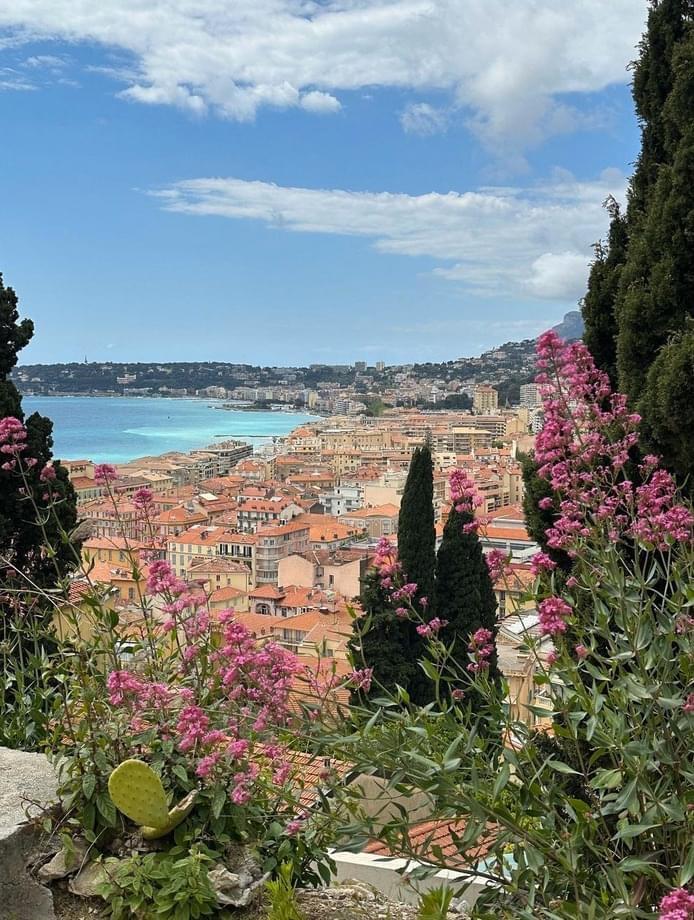
This is Peillon

and this is the flower market in Nice - Cours Saleya


The 5 big challenges that France faces in September
France is facing a massive clean-up operation after a summer of devastating wildfires.
With France preparing to go back to work, politicians are now turning their attention to the challenges ahead - and there are some big ones looming in la rentrée.
(This was written last week.)
The kids have one more week off school, but on Monday president Emmanuel Macron will chair the first Council of Ministers meetings since the summer break, acting as a signal that France is going back to work.
Predictions of heavy traffic on the roads this weekend suggest that most French people will be returning from their holidays, parents will likely be doing some last-minute stationery shopping and then the country will get fully back into work mode at the start of September.
And for those at the top, there are some major problems waiting for them.
Extreme weather - summer may be drawing to a close, but firefighters are still battling multiple wildfires across France.
The final data is not yet in, but we know that this has been a bad summer - multiple heatwaves are linked to at least 7,300 excess deaths, wildfires have burned huge swathes of the country and one of the worst droughts on record is ongoing.
In areas like Gironde and Var, devastated by huge blazes, the clean-up operation has begun but will take months or years - and millions of euros.
In the meantime, the government must face down furious firefighters, who are holding a 'day of mobilisation' in September to demand more resources to deal with increasingly severe wildfires.
Meanwhile, farmers are staring down the barrel of a catastrophic harvest due to the severe drought, they have already said that they will need financial aid to face the year ahead, while consumers are bracing themselves for increasing food prices. The government will need to try and help those affected, but also somehow address France's soaring budget deficit.
The budget - which brings us nicely to the budget. The normal timetable for this is for discussions to start in September, parliamentary debates to take place in late October and early November, and then the budget passed by Christmas in order to take effect from January 1st.
Budget discussions in 2024 and 2025 proved anything but normal, and repeatedly brought down prime ministers. Current prime minister Sébastien Lecornu faces all the same challenges as last year (getting a cost-cutting budget through a deeply divided and hostile parliament), while also trying to find some extra cash to deal with the effects of a summer of extreme weather. He seems to have already begun, with French media producing articles from 'anonymous sources' on a number of ideas, including extra taxes on businesses. He may also benefit from the fact that this year, few of the opposition parties are genuinely motivated to collapse another government, because more legislative elections would be a distraction from the thing that all politicians are now focused on - the presidential campaign.
Election interference - technically, the presidential election does not take place until April and May 2027, but the return to work in September will kick campaigning into a higher gear.
It seems that the Russians don't take summer holidays as seriously as France does, with multiple fake news stories already circulating from Russian-linked disinformation groups about three of the front-running candidates.
Trying to stop a flood of disinformation linked to the Kremlin and Elon Musk's X platform is going to be a major challenge, with debates set to begin on a new law to counter foreign interference in elections.
Social media ban - another thing due to return to parliament is plans to ban social media for under-15s. MPs had in fact already passed this before the parliament broke for the summer, but in August the Conseil
Constitutionnel struck down the ban, saying that it disproportionately interfered with freedom of expression for under-15s.
The Elysée immediately released a statement saying that it would redraft a new law and bring it back before parliament, with the aim of getting it passed by the start of 2027. Not only is that an ambitious timetable, but the wording of the Council ruling suggests that merely tweaking the proposal will not be enough to get it passed.
Climate change - the above four issues are all high on the to-do list of the country's leaders.
But the elephant in the room might end up being climate change - while the government will address the effects of the warming planet (heatwaves, drought, wildfires) and provide money for the clean-up, will tackling the root cause be high on the agenda?
Previous form suggests not, while many of the opposition (with the honourable exception of the Greens and a few on the left) seem equally happy to engage in squabbles about air conditioning or forest management in lieu of a serious commitment to tackling the climate crisis.
This was Badger this afternoon




Comments
Post a Comment