Day 3324 (Wednesday) 15th July 2026
Yesterday afternoon we had a wonderful fly by

and these were the 86 lights that shone over Nice last night.

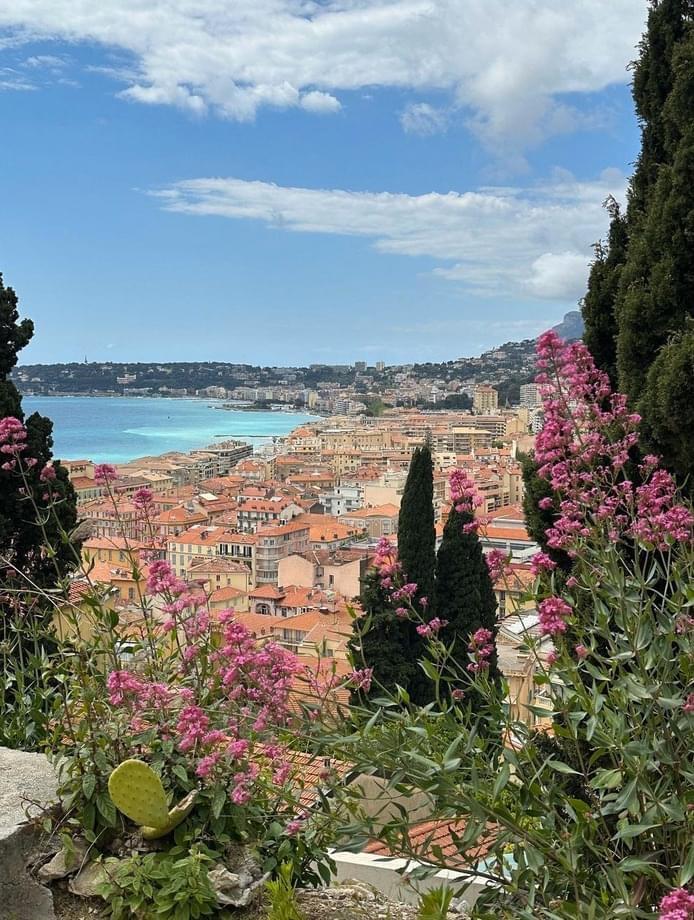
This is Villefranche from the sky.

I found this article online and French social etiquette, it’s quite long so I’ll post it over two days…
Cultural Norms in France: A Comprehensive Etiquette Guide for Expats

Understanding French Social Etiquette
Living in France as an expat opens doors to a rich cultural tapestry woven with distinct social customs and unwritten rules. French social etiquette forms the backbone of daily interactions, shaping everything from casual greetings to formal business meetings.
Successful integration into French society hinges on mastering these cultural norms. A simple bonjour carries significant weight – its omission can mark you as impolite, while its proper use creates positive first impressions. This cultural awareness helps build meaningful connections with locals and prevents unintentional social missteps.
This guide explores essential aspects of French etiquette across key areas:
Greetings: Master the art of la bise and appropriate forms of address
Dining Customs: Navigate meal-time protocols and table manners
Business Culture: Build professional relationships through proper etiquette
Social Dynamics: Understand friendship boundaries and privacy norms
Regional Variations: Discover how customs differ between Paris and Marseille
French etiquette might seem complex at first, but it reflects core cultural values of respect, privacy, social harmony. Whether you’re settling in bustling Paris or coastal Marseille, understanding these customs transforms daily interactions from potential challenges into opportunities for cultural connection. You can also learn more about local traditions in France to see how they shape daily interactions.
1. Greetings: The Art of Saying Bonjour
Knowing how to greet people in French is crucial for understanding the local customs in Paris and Marseille. One of the most important aspects of French social interactions is “la bise,” which involves kissing on the cheeks. This practice varies from one region to another.
La Bise Basics:
Start with the right cheek
Keep light contact
Make a gentle kissing sound
Paris: Two kisses
Marseille: Three kisses
In professional environments, handshakes are the usual way to greet someone. However, using handshakes in casual situations may come across as unfriendly or distant. It’s important to pay attention to social cues – younger individuals often prefer la bise, while older generations might stick with handshakes.
Essential French Politeness Tips:
Always say “Bonjour” before starting any conversation
After saying “Bonjour,” include “Madame,” “Monsieur,” or “Mademoiselle”
When leaving, use “Au revoir”
In shops or restaurants, never forget to greet the staff
The time of day also affects how you greet others:
Before 6 PM: “Bonjour”
After 6 PM: “Bonsoir”
Late night: “Bonne nuit” (only when someone is going to bed)
There are also regional differences beyond just the number of kisses exchanged. Parisians tend to be more formal when they first meet someone, while Marseillais usually have a friendlier and more open approach to greetings. These small distinctions reflect the unique cultural identity and social atmosphere of each city. These social norms often shift during public celebrations – check French national holidays in Paris and Marseille for the moments where etiquette matters most.
2. Dining Like a True Parisian or Marseillais
French dining etiquette reflects a deep appreciation for food, company, and tradition. Your dining experience starts before the meal – arriving on time shows respect for your host and fellow diners. Dressing well is essential; smart casual attire works for most occasions, while formal dinners call for more elegant choices.
Key Table Manners to Remember:
Keep hands visible by resting wrists on the table edge
Wait for the host’s signal to start eating
Hold your fork in your left hand, knife in your right
Place utensils at 5:25 position when finished
Never cut bread – break it with your hands
Wine and Water Protocol:
Fill others’ glasses before your own
Hold wine glasses by the stem
Wait for toasts before drinking
Always say “Santé” when clinking glasses
Regional Dining Distinctions:
Parisian dining emphasises refined presentation and smaller portions
Marseillais meals feature longer, family-style servings with seafood focus
Gift-Giving Tips:
Bring quality wine or chocolates
Present flowers in odd numbers
Avoid chrysanthemums (associated with funerals)
French dining customs vary between homes and restaurants. Restaurants expect you to ask for the bill – it won’t arrive automatically. Tipping isn’t mandatory as service is included, but leaving 5-10% shows appreciation for exceptional service.
3. Navigating Business Interactions with Finesse
Business relationships in France thrive on personal connections and trust-building. French professionals value long-term partnerships over quick deals, making relationship cultivation essential for expat success.
Key Business Relationship Principles:
Schedule meetings at least two weeks in advance
Arrive 5-10 minutes early for appointments
Dress formally – dark suits for both men and women
Exchange business cards with your right hand
Include your academic credentials on business cards
Building trust takes time in French business culture. Expect multiple meetings before closing deals, as French professionals prioritise thorough discussion and relationship development.
Essential French Business Phrases:
“Enchanté(e)” – Pleased to meet you
“Je vous en prie” – You’re welcome
“Je vous remercie” – Thank you (formal)
“À bientôt” – See you soon
French business meetings follow structured protocols. Small talk precedes business discussions, focusing on culture, food, or current events. Avoid personal questions or discussing money during initial conversations..
The rest will be posted tomorrow…




Comments
Post a Comment