Day 3260 (Tuesday) 12th May 2026
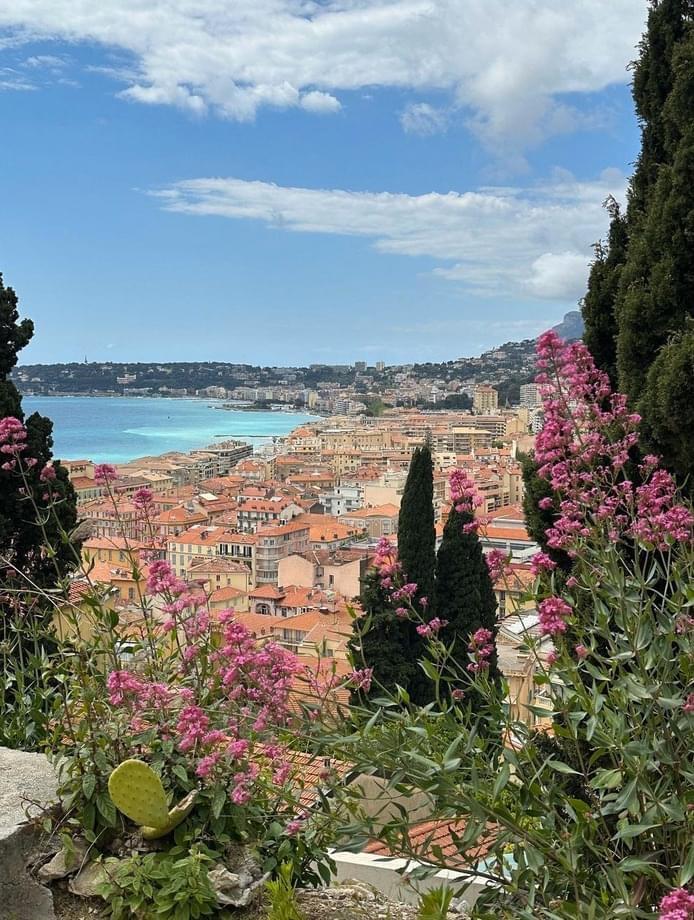
This is Saint-Jeannet, which is 29 kms north of Nice

and this is the Old Port of Nice.

It was lovely and sunny again today but that pesky chilly wind is still blowing. Huw pottered around the flat and I sunbathed for a few hours, which was great.
I found this interesting article about surprising facts about France, enjoy…
France is known for its rich culture, delicious cuisine, and romantic language. However, there are some peculiar habits that might surprise or confuse foreigners when they visit the country. As a non-French person who grew up in France, I definitely found some of the French mannerisms and habits a bit strange at first, although I have now adopted them as well. Let’s explore some of these intriguing French customs and learn some related vocabulary along the way.
La Bise – the real “French kiss”
Southern Europeans have the custom of kissing their friends on the cheek as a greeting. If you are European or have been to Europe, this shouldn’t surprise you.
In France, too, it’s customary to greet friends and acquaintances with “la bise” – a cheek-to-cheek kiss.But France takes it to the next level.
The number of kisses varies by region, ranging from two to four. So, don’t be surprised if someone leans in for a friendly smooch.

Source: Avanzi, M (2016). Le Français de nos Régions.
L’apéro: one course per meal is not enough.
Before a meal, the French often gather for “l’apéritif” – a pre-dinner drink with snacks. Popular choices include a glass of wine, “un kir” (white wine with a dash of blackcurrant liqueur), or “un pastis” (an anise-flavoured liquor). It’s a convivial way to whet your appetite.
If you are at someone’s house around 11am or 7pm, you will hear “tu restes pour l’apéro?” (are you staying for the apéro) and you will be invited to have a drink and some snacks before heading home.
Les Soldes – big sales
If you visit France during the sale season, be prepared for the frenzy of “les soldes.” French people take their shopping seriously and line up early to grab the best deals. Don’t miss the chance to shop for fashionable clothing and accessories at discounted prices. Shops are not allowed by the states to do big sales outside of those periods, which happen twice in the year: once in winter and once in summer.
Everything is closed on Sundays…
If you’re in France during the weekend, don’t bother going out on Sundays expecting to do some shopping, you won’t be able to. All the supermarkets and shops are closed on Sundays.
…and in August
August is holiday “vacances” time in France. And that is sacred. If you walk around French streets in August, it is very common for many shops, cafés, and restaurants to be closed for several weeks during that time of the year.
Everyone deserves some off time, and work life balance is something engrained in French culture.
Don’t forget to say bonjour!
Although it is not that well known, French people are extremely polite and politeness plays a great role in society.
When you enter a public space, you are expected to say
Bonjour
Good morning
Or
Bonsoir
Good evening
And when leaving, don’t forget
Merci, au revoir.
Thank you, goodbye.
The same thing applies if you interact with people. Before asking a question to a worker, always say bonjour or they might be rude in return.
Poisson d’avril – a different version of April’s Fool
We all have April’s fool. When April 1st approaches, we start preparing for which ridiculous pranks we are going to set up to tease our close ones. French is no different, except it is.
April’s Fool is called “poisson d’avril” in France, literally french fish. On that day, French people, especially kids in school, cut down papers in the fish shapes and stick it on other kids’ backs.

La pièce montée
La pièce montée is a traditional French wedding cake that holds great significance in French culture. Literally translating to “mounted piece,” it is a grand and elaborate confectionary creation made by stacking individual cream-filled choux pastry puffs into a tall pyramid shape. It symbolises abundance, joy, and the coming together of families and friends to celebrate a special occasion. The pièce montée is not only a delicious treat but also a work of art that adds a touch of elegance and tradition to any festive gathering in France.

La chandeleur- a day just for crepes
La chandeleur comes on February 2nd and it is a day where French people gather to eat crêpes. Yeah, you read that right, a day just to eat crêpes. It is an excuse to share quality time with your close ones and eat the delicious French delicacy.

Exploring these unique French habits can add an extra layer of understanding and enjoyment to your visit. Embrace the cultural differences, immerse yourself in the language, and savour the experience of discovering the charming nuances of France.




Comments
Post a Comment