Day 3232 (Tuesday) 14th April 2026
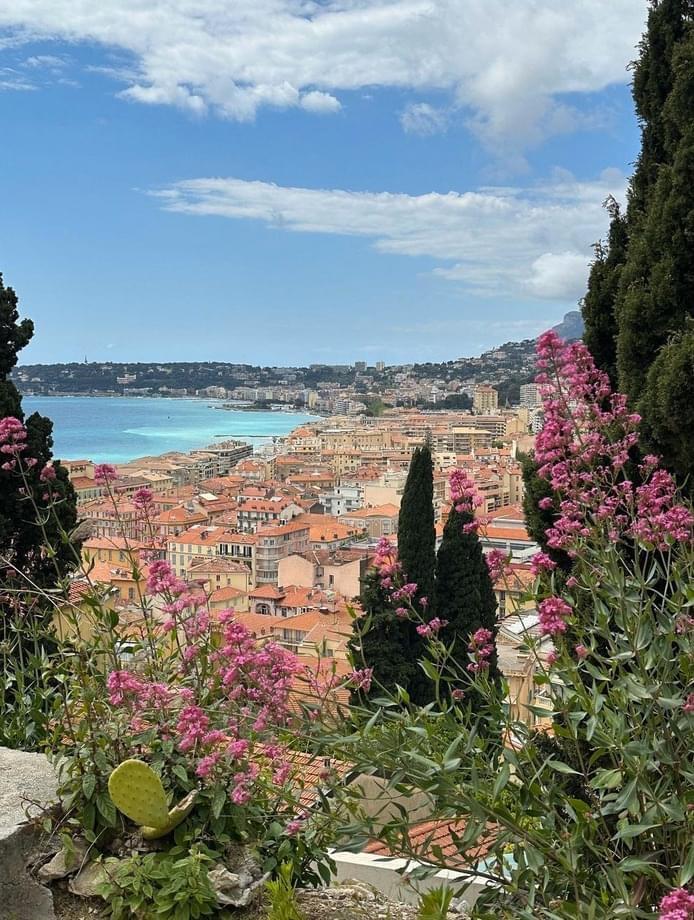
This is Saint-Paul de Vence

and this is the petanque club in Saint-Paul.

It was lovely and sunny this morning, there is still a chilly wind but it was better than it has been for days.
Our flowers are starting to come out again – another sign of spring coming, these new orange ones are gorgeous.

and this is the first of many.

We took the scooter into Nice to enjoy a kebab in the park in the sun – it will soon be summer dresses time.
I found this article on Quora Digest, a website I stumbled upon by accident. It writes about many different countries, often about France.
Is bringing a gift when invited to a French home really necessary, and what kind of gifts are most appreciated?
Hand a French host a bouquet of carnations or a nice bottle of red wine, and you might accidentally insult them. Giving a gift is mandatory, but the rules are surprisingly strict.
Arriving without a token of appreciation is widely considered rude, as it fails to acknowledge the effort, time, and expense the host has poured into preparing the evening. Here is a guide to what is most appreciated—and what to avoid—when stepping through a French doorway.

An illustration of an elegant French dinner party setting in a Parisian apartment.
The foolproof options: Chocolates and Macarons
You can rarely go wrong with a high-quality box of artisan chocolates or macarons. The French take immense pride in their gastronomy, and stopping by a respected local chocolatier or pâtisserie shows careful thought. A beautifully wrapped box from a recognisable boutique is always received with delight. Unlike bringing a dessert, which might interfere with the host’s planned menu, these are considered treats for the host to enjoy later or to serve with coffee at the end of the meal.

The safest alcohol: Champagne or a Digestif
In many cultures, bringing a bottle of wine is the default host gift. In France, it is famously a risky choice. A French host typically spends considerable time selecting specific wines to pair perfectly with the meal they are preparing. Bringing a bottle of wine can inadvertently suggest that you doubt their selection or that you expect them to serve it that night, which disrupts their pairing.
If you do bring wine, it must be of excellent quality, and it is customary to mention that it is "pour votre cave" (for your cellar). This polite phrase relieves the host of any pressure to open it immediately. A much safer and highly appreciated alternative is Champagne.

It is festive, universally loved, and can easily be served right away as an apéritif or stored for a future celebration. A high-quality spirit, such as a nice bottle of Cognac or Armagnac, is also an excellent choice.
Flowers: Beautiful but bound by rules
A beautiful bouquet is a classic and elegant gift, but the French language of flowers is surprisingly strict. If you choose to bring flowers, you must navigate a few traditional superstitions and social codes:
Avoid Chrysanthemums and Carnations: Chrysanthemums are exclusively reserved for All Saints’ Day (La Toussaint) and are traditionally placed on graves. Carnations (œillets) are historically associated with bad luck and funerals.

Skip the Red Roses: Red roses symbolise passionate, romantic love. Unless you are romantically involved with the host, it is best to choose a mixed bouquet.

Odd numbers only: If the bouquet has fewer than twelve stems, it is customary to give an odd number of flowers for aesthetic balance—but avoid the number thirteen.
Consider delivery: Alternatively, you can have flowers delivered to the host’s home earlier in the day or the morning after the party. This is considered the height of elegance, as it spares the host from having to abandon their kitchen duties to trim stems and find a vase while simultaneously welcoming guests.
Regional Specialties
If you are visiting from another country or a different region of France, bringing a local specialty from your hometown is perhaps the most charming gift of all. Whether it is a tin of artisanal biscuits, a special jar of preserves, or a unique local craft, the French deeply respect regional heritage and terroir. A gift that tells a story about where you are from will almost certainly spark genuine interest and warm conversation at the dinner table.
Ultimately, the goal of the gift is simply to express gratitude. Keep it thoughtful, respect the menu, and your invitation will likely be the first of many.




Comments
Post a Comment