Day 3225 (Tuesday) 7th April 2026
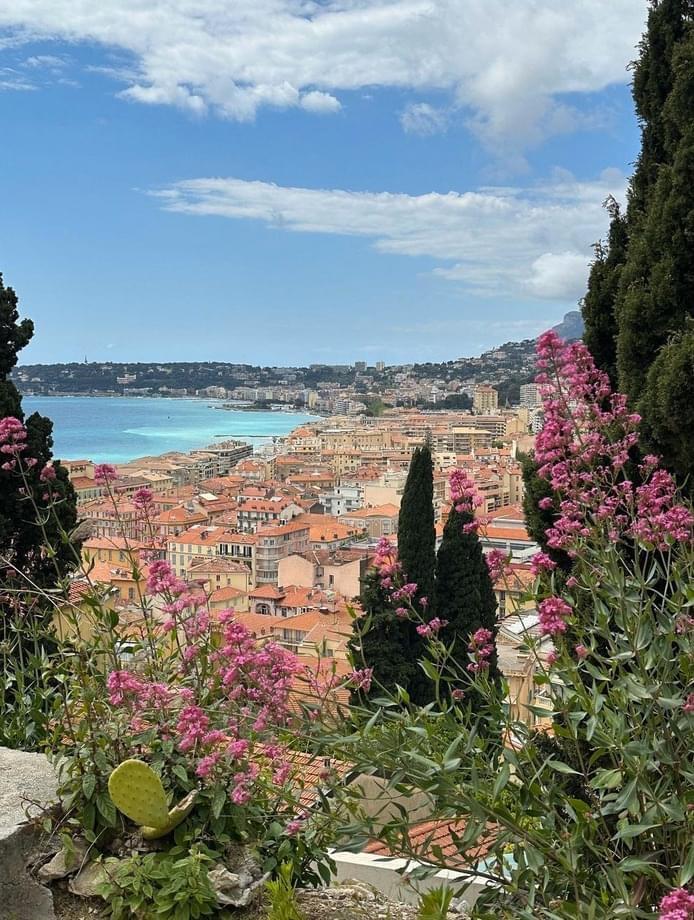
This beautiful photo was taken here in Villefranche-sur-Mer

and this is Monaco.

I had a French exam today, an oral done online and I was amazed that I actually talked. I’m pretty sure I made lots of mistakes but I kept talking for the 15 minutes allocated and it wasn’t bad at all.
Discover famous French customs and Traditions
Learn about French traditions and the social habits that define one of the world's most vibrant cultures.
Heading to France soon?
Understanding the local traditions and customs can transform your visit from memorable to truly unforgettable. France is known not only for its iconic landmarks and delicious cuisine but also for its rich cultural heritage.
From greetings and dining etiquette to regional festivals and social norms, knowing the local customs shows respect and enhances your experience.
Whether strolling Parisian streets, exploring vibrant French cities and charming villages, or savouring fresh croissants at a café, embracing French culture will help you connect authentically with locals.
Get ready to dive into the customs, traditions, and etiquette that every traveller to France should know.
Festive Traditions
France brims with rich history and vibrant celebrations that offer a unique glimpse into France’s cultural heritage and its joyful spirit of togetherness.
Bastille Day

Bastille Day, celebrated annually on July 14, commemorates the storming of the Bastille prison in 1789—a pivotal event marking the beginning of the French Revolution. This national holiday symbolises liberty, equality, and fraternity, uniting citizens in patriotic pride.
But the celebrations are not only about Paris. France’s regions bring their own unique flair to this important event.
In Provence, you might stumble upon a traditional bull run (yes, like in Spain, but très français). The bulls are released in the streets, and locals engage in a spirited chase.
Down in Corsica, expect fireworks and festivities with a Mediterranean twist.
In Brittany, you’ll find parades with locals dressed in traditional Breton costumes, while enjoying hearty servings of crêpes and cider.
In the Basque Country, you might see traditional Basque dances and sports, such as pelota, being played in the town squares.
Each region celebrates with its unique customs, turning Bastille Day into a kaleidoscope of cultural expressions.
It’s a day when history meets good fun, liberty tastes like cheese, and everyone’s inner revolutionary gets a touch of French flair.
Vive la France!
French Christmas and its Markets

Christmas (Noël) in France is a warm, festive season filled with cherished traditions. Central to celebrations is the Réveillon, a lavish Christmas Eve dinner featuring exquisite dishes like Foie Gras, smoked salmon, oysters, and roasted capon or turkey, all accompanied by flowing champagne.
Dessert traditionally includes the iconic Bûche de Noël, a beautifully decorated cake shaped like a yule log. Originally a tradition from eastern France, vibrant Christmas markets have spread nationwide, enchanting visitors with their charming stalls offering crafts, festive decorations, mulled wine, and sweet treats.
Today, strolling through these sparkling markets is a beloved French holiday ritual, capturing the magical spirit of Noël. Each region in France may have its variations and special dishes, but the essence of the Réveillon is about indulgence, togetherness, and celebrating the joy of the holiday season.
Candlemas

Candlemas, known in France as “La Chandeleur,” is celebrated annually on February 2nd and blends religious tradition with delicious culinary customs.
Historically marking the purification of the Virgin Mary and the presentation of Jesus at the temple, La Chandeleur has evolved into a joyful family gathering centered around making and eating crêpes. Tradition dictates that flipping a crêpe successfully while holding a coin ensures prosperity for the coming year.
French households gather to enjoy these delicate pancakes topped with sugar, lemon, chocolate, or preserves. Beyond its religious roots, La Chandeleur remains a beloved French tradition symbolising hope, prosperity, and unity.
Easter

Pâques is another much-loved French tradition. Central to the festivities are family gatherings featuring elaborate meals, often including roasted lamb (“agneau pascal”), fresh spring vegetables, and seasonal delicacies.
Chocolate also plays a starring role, with artisan chocolatiers crafting intricate chocolate eggs, bells, rabbits, and hens, beautifully displayed in pâtisserie windows nationwide.
According to tradition, church bells stop ringing on Good Friday, “fly to Rome,” and return on Easter Sunday, dropping chocolates for children to find. Kids eagerly participate in egg hunts, searching gardens and parks for hidden treats.
Easter symbolises renewal and abundance, making it a cherished moment for families across France to reconnect and indulge together.
Fête de la Musique

If you are a fan of live music, you must travel to France at the end of June. The Fête de la Musique, celebrated annually on June 21, is France’s vibrant national music festival welcoming the summer solstice.
Founded in 1982 by France’s Ministry of Culture, the festival promotes music of all genres, making performances accessible to everyone. Streets, parks, squares, and public spaces nationwide transform into stages, with both amateur and professional musicians offering free concerts.
This festive spirit encourages public participation, fostering a sense of community and celebration. From classical ensembles to rock bands and street performers, the festival reflects France’s rich musical diversity.
Tour de France

The Tour de France, first held in 1903, is France’s iconic cycling race and one of the world’s most prestigious sporting events.
Originally created to boost newspaper sales, now, it has become a pedal-powered spectacle of stamina, strategy, and sore muscles that happens every July. Covering over 2,000 miles, cyclists endure gruelling mountain climbs, blistering speeds, and the occasional cow-crossing, but it also showcases France’s stunning landscapes.
Cyclists compete in daily stages, earning the coveted yellow jersey worn by the overall leader. Millions line the route, cheering enthusiastically as riders pass. More than just a race, the Tour de France symbolises endurance, teamwork, and national pride.
Plus, the caravan of quirky promotional vehicles tossing freebies adds a carnival touch. Vive le Tour et en selle! (in the saddle)
Culinary Traditions
Let’s now tackle some urban legends about France and the French and look into the most endearing cultural quirks of this proud nation.
The French eat snails and frog legs
Yes, they do. But the notion that French people constantly feast on snails and frog legs is a humorous stereotype rooted in culinary curiosity and misunderstanding.
Visitors to France often first encounter these dishes in restaurants, reinforcing the amusing idea that the French consume them routinely.
In reality, many locals reserve them only for special occasions or gourmet experiences. The average French citizen is more likely to be seen with a croissant or a baguette.




Comments
Post a Comment