Day 3220 (Thursday) 2nd April 2026
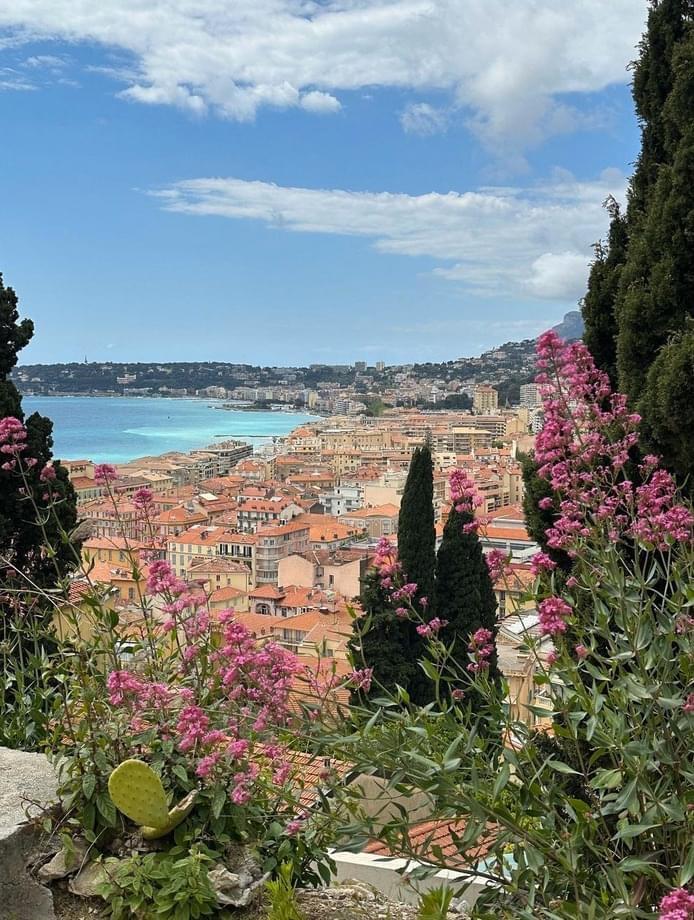
This is the whole of Monaco – you can really see how small it is in this photo.

As mentioned yesterday here are some details about the Dunkirk carnival…
When we talked about the carnival yesterday we said that it was difficult to pin down the beginning of the Poisson d’Avril so I looked it up and found this… some people tie it to the Dunkerque Carnival tradition, which starts with dried herrings being thrown from the City Hall to a crowd gathered below.
The Dunkirk Carnival is one of France's most vibrant and long-standing celebrations, beginning on January 3 and continuing through spring. The 2026 edition invites travellers to experience lively parades, colourful costumes, and a festive atmosphere shaped by centuries of local tradition.
The origins of carnival from Dunkirk
"Ah, how popular cod fishing is!"
©Dunkirk Carnival Musician Cud Pierre Volot|CUD- Pierre Volot

The origins of the Dunkirk carnival
It probably takes a good dose of optimism to find an explanation or a starting point for the frenzy that takes hold of the Dunkirk coastline during the carnival festivities.
A few courageous historians have tried and agree that it all began at the start of the 17th century with the parties given by shipowners before Dunkirk sailors went to fish for cod off the coast of Iceland.

Instagram #carnavaldedunkerque
©Dunkirk Carnival

These fishing expeditions lasted several months and no one was entirely sure of returning… So, before leaving, we spent part of our advance on salary to have a good time.
These festivities, called "FOYE," took place in the taverns; they sometimes coincided with the days leading up to Lent. The carnival and fishermen's festival traditions likely intertwined to become the "Visscherbende " (fishermen's band).
The Dunkirk carnival was born.
Throwing herrings into the fishermen's strip
Since the Dunkirk carnival is linked to fishing in Iceland, one might think that kippers have been thrown to carnival-goers since time immemorial? Well, no. This tradition was born in 1962, on the idea of Jean Verlynde, vice-president of the Tourist Office and the merchants.
In Dunkirk, the group stops in front of the town hall. The crowd begins a frenzied revelry; then the mayor and his guests throw the wrapped fish into the throng, resulting in a chaotic stampede. The risk is worth it: catching a kipper is the ultimate reward and a source of immense pride, almost surpassing the act of eating it.

The herring-throwing tradition in Dunkirk is the most spectacular and draws tens of thousands of people. In some neighbourhoods and towns, the throwing takes on a specific character: for example, in Rosendaël and Saint Pol sur Mer, dried fish is thrown, in Bergues, cheese… In Malo-les-Bains, another tradition involves distributing violets.
Exploring the most common French sayings for everyday life
French culture is rich with expressions that reflect its history, values, and way of life. French sayings often carry deep meanings and offer insights into the French perspective on various aspects of life.

“C’est la vie” – Such is life
It is one of the most famous French sayings. “C’est la vie” summarises the French attitude towards life’s ups and downs. It reflects a sense of acceptance and resilience in the face of difficulty, accepting that life is full of unexpected twists and turns.
“Petit à petit, l’oiseau fait son nid” – Little by little, the bird builds its nest
It highlights the power of determination and incremental progress. It teaches us that consistent effort and willpower can accomplish even the most frightening tasks, mirroring the French appreciation for patience and persistence.
“Qui vivra verra” – He who lives will see
This saying reflects a sense of curiosity and openness to the future. It implies that life is full of surprises and that it is only by living and experiencing that we can truly understand what lies ahead. It embodies the French spirit of embracing life’s worries with hopefulness and adventure.
“Mieux vaut tard que jamais” – Better late than never
This French saying highlights the importance of taking action, even if it’s later than expected. It conveys the idea that it is never too late to chase your goals or make compensations. It emphasises the value of seizing opportunities when they arise.
“C’est en forgeant qu’on devient forgeron” – It’s by forging that one becomes a blacksmith
A famous French saying underlines the importance of practice and hard work in mastering a skill or craft. It suggests that expertise is not inborn but is developed through effort and persistence. It perfectly reflects the French value of craftsmanship and dedication.
“Les voyages forment la jeunesse” – Travel broadens the mind
It highlights the transformative power of travel in expanding one’s horizons and understanding of the world. It reflects the French appreciation for exploration and cultural exchange. This French saying advocates for the value of experiencing different cultures and perspectives.
“Loin des yeux, loin du cœur” – Out of sight, out of mind
It is one of the most widely used French sayings. It reflects the idea that absence can reduce feelings of love or attachment. It acknowledges the human inclination to prioritise immediate experiences over distant ones, reminding us of the importance of nurturing relationships through regular contact and communication.
“Chacun voit midi à sa porte” – Everyone sees noon at his door
This French saying reminds us that everyone perceives things from their perspective or point of view. It emphasises the subjectivity of experience and perception. It is also about encouraging empathy and understanding towards others’ viewpoints.
“L’appétit vient en mangeant” – Appetite comes with eating
This saying, attributed to François Rabelais, suggests that the more you experience something, the more you will come to enjoy it or desire it. It speaks to the idea that familiarity breeds comfort and liking, encouraging us to embrace new experiences with an open mind.
“Rien ne sert de courir, il faut partir à point” – There’s no use in running; you have to start on time
This saying, attributed to Jean de La Fontaine’s story “The Tortoise and the Hare,” emphasises the importance of planning and pacing oneself. It suggests that rushing recklessly into a task without proper preparation is futile and that success often comes to those who approach things methodically and patiently.




Comments
Post a Comment