Day 3205 (Wednesday) 18th March 2026
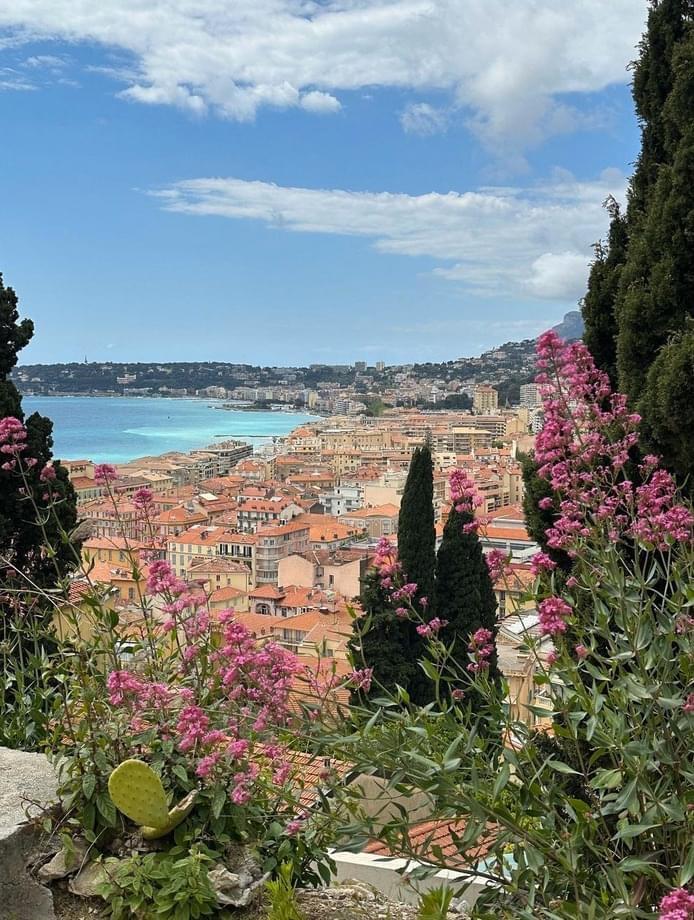
This is Place Garibaldi in Nice

and this is Monaco.

The forecast for today was meant to be another lovely day but when we woke up it was grey and overcast with some spots of rain. We had planned on going to the castle because when we’ve been there before it was around lunchtime and it closes for lunch. Hopefully we can go on Friday because Huw is working tomorrow.

The French live on wine, baguettes and cheese

The idea that French people survive exclusively on wine, baguettes, and cheese is another amusing stereotype probably born from France’s iconic culinary image.
While these culinary delights are beloved and of great quality, French cuisine is wonderfully diverse, with regional specialties like bouillabaisse and cassoulet, just to name a few.
But let’s be honest, if you were to survive solely on crusty fresh baguettes, Brie wheels, and bottles of Bordeaux or Chablis, France isn’t exactly the worst place to attempt such a feat.
The French spend hours at the table
The idea that French people spend endless hours lingering at the dinner table isn’t entirely fiction.
This French table setting tradition dates back to the nobility, where lavish feasts with endless courses were a display of wealth and refinement. The bourgeoisie, eager to keep up, embraced the custom, turning long meals into a social event.
Over time, multiple courses became the norm—starter, main, cheese, salad, dessert, and, of course, great wines at every stage.
Even today, meals remain a leisurely affair, filled with lively conversation. The French still believe that good food, good company, and a little extra time are always worth it.
After all, why rush through a meal when you can debate politics, exchange recipes, or lovingly argue over the best cheese?
Some French traditions remain deliciously sacred.
The art of French table setting
Considering how much time the French spend at the table, setting a dinner table in France is truly an art form, reflecting elegance, hospitality, and attention to detail.
Known as “l’art de la table”, this tradition emphasises not only functionality but also aesthetic beauty, showcasing carefully arranged plates, polished silverware, sparkling crystal glasses, and crisp linens.

Each utensil and glass have a designated place, meticulously positioned to reflect the sequence of dishes served.
Floral centerpieces, candles, and subtle decorations often adorn the table, creating an inviting atmosphere.
Beyond mere decoration, table setting demonstrates respect for guests and enhances culinary enjoyment, turning every meal into a sophisticated ritual that embodies French refinement.
The “Café Gourmand”

This is a delightful French tradition that combines the pleasures of coffee with the indulgence of miniature desserts, or mignardises.
Originating in 1985 as a smart way to satisfy sweet cravings without committing to a full-sized dessert, it typically includes an espresso or coffee alongside small portions of classic French pastries, like tiny crème brûlées, macarons, mini chocolate mousse, or fruit tartlets.

Popular in cafés and restaurants across France, the Café Gourmand perfectly captures the French love for variety, elegance, and moderation.
It’s the ideal choice for those who believe life is too short to choose between coffee and dessert—why not enjoy both?
The open market
The French have a deep-rooted affection for their open markets, where tradition, community, and gastronomy meet.
These markets are like a reality TV show where produce and banter take centre stage.
Imagine a bustling scene with locals passionately haggling over the best tomatoes, and vendors performing dramatic monologues about their cheese’s superior qualities.
And let’s not forget the aroma of freshly baked baguettes and brioche, or Breton kouign amann, wafting through the air, making even the most resolute dieter weak at the knees.

It’s not just a shopping outing; it’s an all-senses experience where life’s simple pleasures are celebrated.
Snack time or the 4 pm “goûter”

The French 4 pm goûter (pronounced “goo-tay”) is the ultimate childhood ritual that adults secretly cherish too.
Originating from the French verb “goûter,” meaning “to taste,” this afternoon snack is a delightful pause in the day.
Imagine kids dashing out of school, greeted by the sweet aroma of freshly baked pain au chocolat or a simple tartine with butter and jam.
And let’s be honest, who can resist a buttery madeleine or an éclair paired with tea or hot chocolate?
It’s a moment of indulgence and joy that makes the afternoon slump a little more bearable.
The tradition of the apéritif
The French apéritif, affectionately known as simply “apéro,” is the art of pre-dinner socialising and a warm-up to those long dining traditions.

The term comes from the Latin word “aperire,” meaning “to open,” as it opens the evening’s festivities.
Picture this: friends and families gather around, sipping on Pastis, Kir, or a glass of wine, while nibbling on olives, cheese, charcuterie, and nuts.
It’s a relaxed, friendly moment where time seems to slow down, and conversations flow as smoothly as the drinks, a joyful ritual that stretches meals and makes every social gathering special.
The French have mastered the apéro, turning it into a cherished ritual that adds a touch of joie de vivre to the end of the day. Santé!
Conclusion
France’s traditions and customs offer a charming blend of history, culture, and culinary delights.
From festive celebrations like Bastille Day and Noël to daily rituals like the goûter or leisurely dining where slow food is honoured, embracing French etiquette enriches any visit.
By understanding these customs, travellers unlock an authentic, unforgettable experience in French life, and a marvellous French lesson in Art de Vivre:
Live in the moment, make it beautiful, and enjoy every minute of it.
FAQ
What are the dos and don’ts of French social etiquette?
Navigating French social etiquette involves understanding subtle yet important customs. Do greet people politely, using “bonjour” and “au revoir,” and always use formal language (“vous”) with strangers or elders. Do make eye contact during toasts and greet everyone individually when joining gatherings.
Be punctual for formal meetings but arriving slightly late to dinners is acceptable. Avoid overly personal topics, such as salary or politics, unless initiated by your French hosts. Never rush a meal, as dining is a leisurely , sacred ritual. Always show respect for the very French concept of work/life balance. Finally, remember a gentle handshake or polite cheek kiss (la bise) when greeting. Learning a few words of French will also surely impress.
Are French people really that much into fashion?
France, especially Paris, holds a longstanding reputation as the fashion capital of the world, influencing global trends and showcasing iconic elegance thanks to its haute couture. Yet, despite this glamorous image, daily French style is often surprisingly casual. French people value understated elegance and practicality, favoring timeless pieces and simple silhouettes over flashy, extravagant clothing.
Their wardrobes commonly include classic staples like jeans, tailored jackets, and neutral colours—highlighting effortless chic rather than constant high fashion. The French approach to fashion reflects a balance: they appreciate high-end design, yet maintain comfort and authenticity in their everyday attire, proving true style doesn’t have to shout to be heard.




Comments
Post a Comment