Day 3188 (Sunday) 1st March 2026
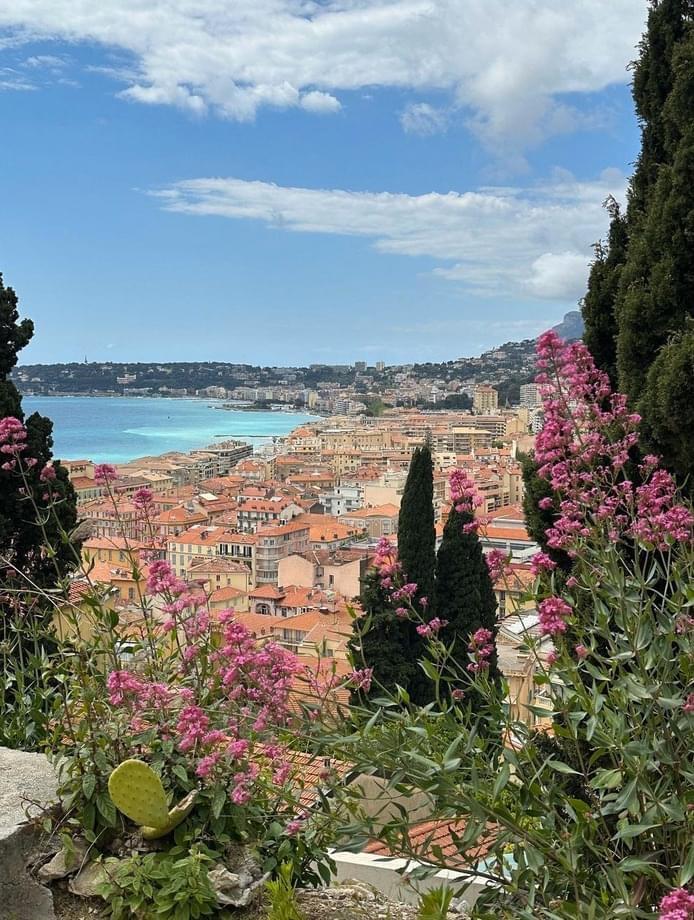
This is a very old photo of Villefranche – it hasn’t changed a bit.

and this is the Old Port in Nice

This is the rest of the article I started yesterday…
French Workplace Culture Can be Confusing
The French workplace can be a confusing and frustrating place for foreigners. This is because it is governed by a set of unwritten rules and customs that are not always easy to understand.
For instance, the French have a hierarchical culture, and they typically follow those in positions of authority. This hierarchy is maintained when it comes to reports or decision-making, and many foreigners (especially Americans) can see it as traditional and maybe even old-fashioned.
Nevertheless, formality and politeness rule the workplace, even when it comes to colleagues – French people will greet everyone in the office in the morning, and even sometimes exchange les bises (kisses).
Work is never placed over anything else, though. The French often see it as something that prevents them from doing what they love. Work is only perceived as a way to earn money, which they can then spend on exciting activities, such as travelling, being with their families, going to new places, or tasting good food.
This is why the French have a generous system of paid vacation time that allows them to take several weeks off each year. Additionally, the French enjoy a long lunch break in the middle of the day to rest as well as mid-time breaks that allow them to rest and catch up with coworkers and plans for the day.
Apart from that, one of the main rules that govern the French workplace is no work on Saturday or after hours.
Food is One of the Most Important Aspects of French Culture
You may already know that food is an important part of French culture. In fact, the French say that “food is the best way to understand a culture.” This is because food is more than just a means of sustenance – it is a way to express identity, traditions, and values.
When it comes to food, the French have a strong preference for quality over quantity. French dining etiquette stresses the importance of food being enjoyed slowly and savoured with friends and family. This is why French cuisine is famous for its elaborate meals that can take hours to prepare and eat.
Food is not the centre of the meal, though; every part of the dining process is taken into account, and each is important. Welcoming guests, purchasing the correct products, setting the table, and pairing the food with wine – these are just a few of the many points that make French food culture distinct.
French cooking is recognised around the world, and every French region has distinct dishes that many non-French people are familiar with, such as Boeuf Bourguignon, Coq au vin, or Crème Brulée.

Art and Literature Are Deeply Rooted in French Tradition
France has a long and storied history with arts and literature. Some of the most famous artists and writers in the world come from France, and their work is deeply ingrained in French culture.
Art has always been an important part of French culture, with some of the earliest examples dating back to the Middle Ages. The French have a strong preference for realism and detail in their art, which is evident in the works of masters like Michelangelo, Leonardo da Vinci, and Vincent van Gogh.
French literature has a similarly long and impressive history, dating back to the 10th century. Some of the most celebrated authors in history are French, including Victor Hugo, Alexandre Dumas, and Marcel Proust.
French culture places a great deal of value on both the arts and literature. These forms of expression are seen as a way to explore the human experience and show French values and traditions. They are also an important part of preserving France’s cultural identity in a world that is increasingly influenced by globalisation.
Fashion is the National Treasure
The French are known for their love of fashion and for their sense of style, which is a deeply entrenched part of French culture. In fact, the French are considered to be some of the best-dressed people in the world, and France is often considered to be the birthplace of modern fashion.
French designers like Coco Chanel and Yves Saint Laurent have brought international acclaim to France with their iconic designs, and many modern French fashion houses are famous around the globe, such as Chanel, Christian Dior, Hermes, or Louis Vuitton.

French fashion is known for its love of luxury and high-quality materials, use of colour and patterns, and mix-and-matching different styles to create a unique look. French style has been heavily influential around the world and has garnered immense popularity in recent years.
Many French people take great pride in their fashion sense and consider it to be an important part of their identity. Clothing and accessories are seen as a way to express oneself and showcase one’s taste and style. This adds to their distinct je ne sais quoi – a certain flair or style that sets them apart from the rest.
French designers are some of the most sought-after in the industry, and their clothes are highly coveted by celebrities and everyday people alike. Paris, in particular, is considered to be one of the most fashion-forward cities in the world, and is known for its haute couture, “high fashion.”
The French Have a Slow Pace of Life
The French have a well-known saying: “la vie est belle” or “life is beautiful.” This phrase encapsulates the French attitude towards life, which is to enjoy it and savour every moment.
Because of that, the French are notorious for their slow pace of life, which can be quite a shock to visitors who are used to a faster tempo. In France, time is not as important as it is in other cultures. The French prefer to take their time when it comes to everything – from eating to working to enjoying leisure activities. They believe that this is the best way to savour life and experience all that it has to offer.
This slower pace of life is one of the things that makes France such a charming and appealing country. It allows people to relax and enjoy the simple pleasures in life, encouraging creativity and reflection, and giving time to think and explore new ideas.

Being Proud is a National Trait
The French are a proud people, and this is evident in everything they do. From their art and literature to their fashion and cuisine, the French take pride in their traditions and values, food, language, history, accomplishments of their people, and other distinct parts of their culture.
This sense of pride is a strong national trait in France, and it is seen as a sign of respectability. The French are often considered to be arrogant by others, but this is because they hold themselves to a high standard and are not afraid to show it.
This French trait is often perceived as funny by other people – after all, is being the place of origin of French fries really a reason to be proud? (Yes, if you ask us.) Nevertheless, pride in France is seen as a key ingredient to success.
The French believe that if you’re not proud of your work, then you’re not going to put in the effort necessary to be successful. This determination and sense of self-belief have helped the French become one of the most successful nations in the world.
Being proud is also seen as a way to show one’s patriotism and love for France. People are also proud of their traditions and they take great joy in upholding them. They love celebrating their national holidays and events.
French Culture Has Much More to it
There is so much more to French culture than what we’ve mentioned in this article. From their love of food and wine to their slower pace of life, the French have a lot to offer visitors and tourists.




Comments
Post a Comment